
Patients who have liver disease may not realise they have a problem until they have symptoms of the condition. Having an understanding of the problem early on is critical to avoiding complications affecting the patient’s health in the long run. There are now new technologies available that help detect problems sooner rather than later, such as the FibroScan, which is an easy and painless method of evaluating the patient’s chances of developing future problems.
FibroScan is increasingly recommended because several FibroScan uses focus on detecting early fibrosis and fat accumulation long before symptoms appear. This article explains what liver assessments aim to detect, how FibroScan measures liver stiffness and fat, and why early diagnosis matters. It also outlines the process of performing the scan and addresses common questions.
Understanding Liver Health and Early Detection
How to Check for Liver Disease
Evaluations of liver disease involve blood tests and imaging studies, as well as targeted scans such as FibroScan. Risk-based screening often includes lifestyle assessment, alcohol history, metabolic health evaluation, and ultrasound when necessary. FibroScan now plays a major role because it identifies structural changes much earlier than traditional tests, offering a clearer picture of disease progression.
What Liver Function Tests Are
Liver function tests are a group of blood tests used to assess how well the liver is working. They measure enzymes, proteins, and bilirubin levels to identify signs of inflammation, infection, obstruction, or impaired liver processing. Although useful for screening, these tests cannot quantify liver stiffness or fat content. This is why tools like FibroScan are increasingly used alongside them.
Why Screening Matters
Some patients seek information on how to check liver health and want to know which method is most reliable. While self-observation and lifestyle awareness are helpful, proper medical tests remain essential to identify disease before symptoms appear.
Patients are less likely to progress to advanced liver diseases when conditions such as early fatty liver disease and mild liver fibrosis are detected and treated before they are allowed to develop into advanced forms. The risk of long-term complications is significantly reduced when a proactive approach is followed.
The Role of Blood-Based Assessments
Routine blood assessments often guide clinicians in the early assessment of liver health, and patients commonly hear about liver function tests during consultations. The initial stage of evaluating liver function involves testing enzyme levels and other markers of inflammation and reduced activity in the liver. These test results help determine if further testing, such as FibroScan, will be necessary. In many cases, abnormal results prompt timely further investigation and early intervention.
What These Tests Aim to Identify
Patients may receive this type of testing as a follow-up to an abnormal finding or as a result of liver disease evaluation. However, while these tests can identify potential areas of concern, they do not provide a measure of lipid accumulation (fat) or the extent of scarring (fibrosis) that may have occurred in the liver. Therefore, it is possible that a patient could have significant damage that would not be detected on blood tests. FibroScan bridges this gap by providing a clearer picture of the liver’s physical condition.
How FibroScan Helps Detect Problems Early
What the Technology Measures
The scan provides clarity for people wanting to know what a FibroScan measures. This includes liver stiffness and the degree of fat stored in the liver. These measurements enable clinicians to detect early fibrosis and steatosis with precision, providing insights that blood tests alone cannot.
FibroScan evaluates two primary indicators of liver health:
- Liver Stiffness (kPa): The amount of fibrosis (scarring) present in the liver.
- Liver Fat (CAP Score): The total amount of fatty tissue in the liver, which assists in diagnosing fatty liver disease and understanding the degree of the disease.
These measurements give clinicians a more complete understanding of liver structure. Further, it helps identify disease at stages where it can still be reversed.
Can It Identify Serious Disease?
Patients sometimes ask whether a FibroScan Health Assessment can detect liver cancer, and the answer is that the scan does not diagnose cancer directly. Why? Because it does not visualise tumours or abnormal growths. However, it is used to support the prevention of liver cancer by identifying cirrhosis and advanced fibrosis in patients who may potentially develop liver disease through ongoing imaging and monitoring.
Monitoring Chronic Liver Conditions
FibroScan is a particularly advantageous method of dealing with diseases such as fatty liver disease, viral hepatitis, alcohol-related liver disease, and cirrhosis. By measuring changes in firmness (stiffness) and liver fat accumulation over time, it enables healthcare practitioners (clinicians) to manage the patient’s treatment and adjust the treatment plan accordingly.
FibroScan is also helpful in determining whether a patient’s liver condition has improved, deteriorated, or remained stable after treatment, as well as in measuring various aspects of liver health. Regular scanning provides a clear trend that supports long-term disease planning and monitoring.
Why Timely Diagnosis Matters
Detecting Liver Disease in Its Earliest Stages
Patients looking for information on how to test for liver disease often learn that symptoms appear only when damage becomes advanced. FibroScan fills this diagnostic gap by identifying early structural changes that indicate emerging disease. This allows doctors to intervene before fibrosis becomes irreversible. Early detection furthermore reduces the likelihood of future complications that may require intensive treatment.
Why Diagnosis Requires Multiple Tools
Doctors choose the best combination of tests to diagnose liver disease, based on the patient’s symptoms, risk profile, and blood test results. FibroScan provides a quantitative analysis of the patient’s liver status by measuring the relative stiffness of the liver. This helps provide more accurate data regarding the patient’s liver health when compared with many laboratory tests used for liver health assessment.
Preventing Disease Progression
When liver conditions are detected earlier, the patient has the opportunity to have appropriate treatment and modify their lifestyle to prevent the progression of liver disease to cirrhosis or liver failure. Research has repeatedly shown that early detection and treatment of fibrosis are able to reverse the condition before it becomes too advanced.
Patients who receive early guidance are more likely to see improvements in liver stiffness scores over time. Detecting change early also supports personalised treatment plans tailored to individual risk factors.
What to Expect During a FibroScan
How Clinicians Perform the Procedure
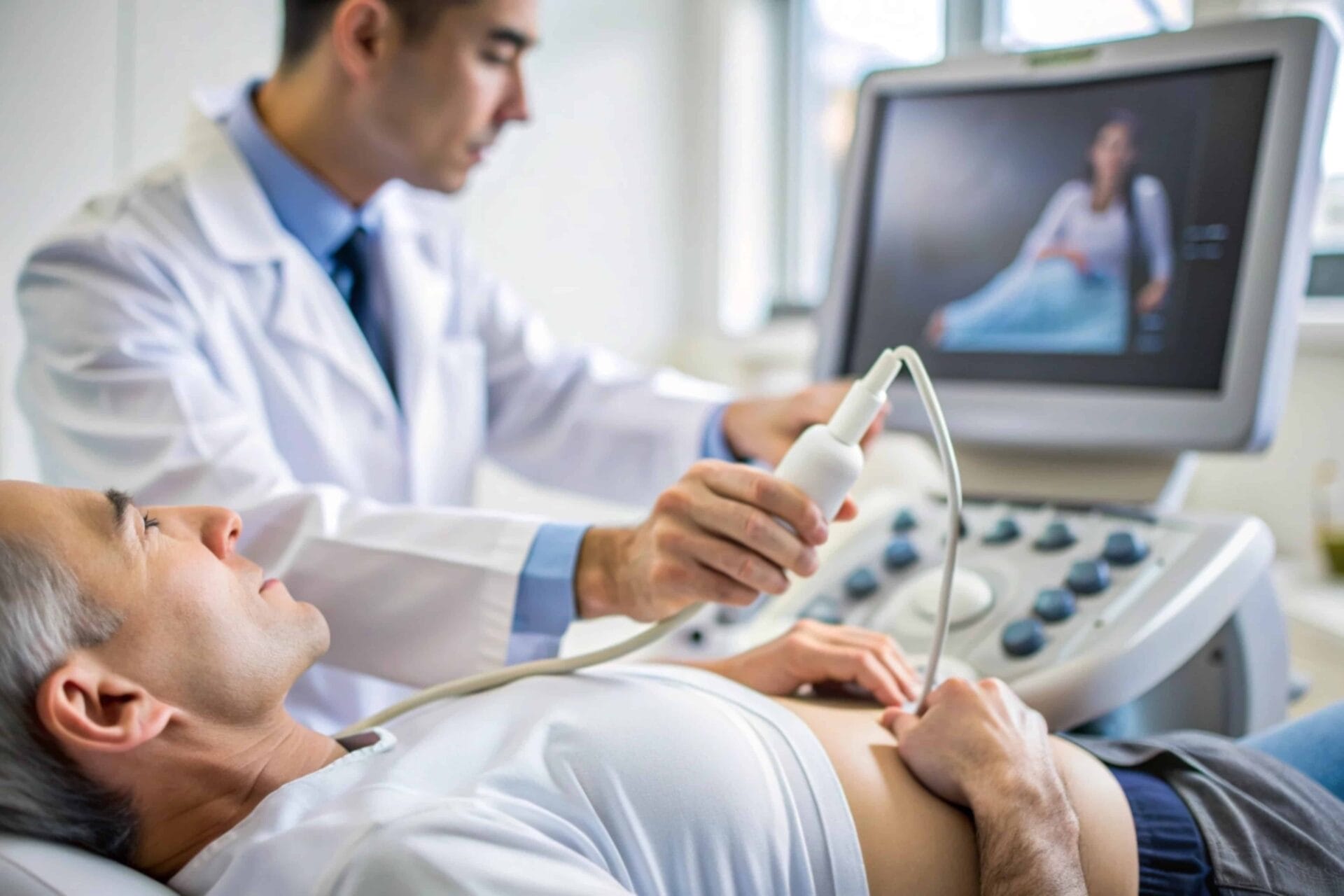
Patients commonly ask how FibroScan is done, and understanding the procedure can ease any concerns. You will lie comfortably on an examination couch, and a small probe will be placed over the right rib area to send gentle vibrations into the liver. The probe measures how quickly the vibrations travel through the tissue to assess stiffness. This experience is similar to an ultrasound, with no discomfort or recovery time required.
The scan is painless, takes around 10 to 15 minutes, and does not require needles or sedation. Most patients resume normal activities immediately afterwards. FibroScan results are typically obtained quickly and allow the clinician to discuss them with the patient at the same visit. This time efficiency makes FibroScan a very practical choice for the clinician during both routine and follow-up visits.
Safety and Comfort
Because FibroScan is non-invasive, it avoids the risks associated with biopsy and is suitable for repeated monitoring. This makes it especially useful for long-term disease management. Its safety profile makes it appropriate for a wide range of patients, including those who cannot undergo invasive procedures. Regular use supports continuous tracking without added health risks.
Why FibroScan Prevents Serious Liver Problems
Identifying Damage Earlier Than Symptoms
FibroScan detects increased stiffness and fat deposition before symptoms such as jaundice, abdominal swelling, or fatigue appear. Proactive assessment of liver disease enables the earliest identification and intervention, thereby maximising a person’s long-term liver health.
Early identification supports patients in establishing supportive lifestyle modifications while their disease is in its infancy and provides clinicians with advanced notice on how to intervene before complications develop and become unmanageable.
Helping Patients Reverse Early-Stage Disease
Conditions like early-stage fibrosis or fatty liver disease often reverse with timely lifestyle changes, improved metabolic control, or targeted medical treatment. FibroScan provides the data needed to guide these interventions. Repeated scans help track whether these changes are effective. Seeing measurable improvement can also motivate patients to maintain healthier habits.
Monitoring Disease Over Time
FibroScan’s ability to track numerical changes over months or years helps both patients and doctors monitor improvement or worsening. These measurable results support informed decisions about treatment adjustments. Trends in stiffness or fat levels can indicate whether therapy needs to be intensified or modified. Along with this, long-term monitoring reduces the likelihood of sudden disease progression going unnoticed.
Benefits of Using FibroScan for Early Detection
A Non-Invasive Alternative
FibroScan provides an extremely accurate, non-invasive method for measuring liver function, without causing discomfort to the patient or requiring recovery time. Therefore, it has eliminated the need for many invasive procedures, such as liver biopsy, making FibroScan safe for repeated use.
Because FibroScan does not require hospitalisation or extensive preparatory work, it allows patients to receive reliable test results without disrupting their lives. Therefore, it is frequently used by healthcare practitioners to monitor liver conditions.
Clear and Measurable Results
Because FibroScan provides quantifiable values, patients receive a clear “liver health scorecard” that makes it easier to understand progress over time. This helps create a more transparent and informed care plan. The numerical values also allow clinicians to compare results over time with precision. This objectivity strengthens clinical decision-making and patient communication.
A Holistic View of Liver Wellbeing
FibroScan captures structural changes, while blood tests offer biochemical insights. Together, they form a robust early detection pathway that significantly reduces the risk of advanced liver disease. This combined approach allows the healthcare practitioner to assess both a patient’s functional and physical state of health in regard to their liver. With this, it detects an early form of liver disease when blood tests are still within the normal limits.
Final Thoughts
FibroScan plays a vital role in early detection because key FibroScan uses include measuring liver stiffness and fat, supporting diagnosis, and monitoring chronic conditions long before symptoms begin. It also clarifies what it does, how it works, and how it enhances a patient’s ability to detect liver disease during the routine testing that they may undergo. By understanding the advantages of FibroScan, patients can take control of their liver health before irreversible damage occurs. To learn more, contact UME Health and speak with our specialist team today.
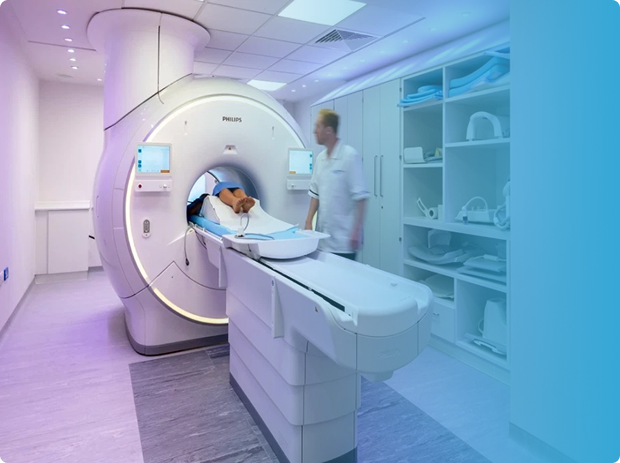
Patient Friendly MRI Scan at UME Health
Our open MRI machine provides a more spacious and less enclosed environment, which can ease any feelings of anxiety or discomfort during the scan. We also allow a friend or family member to sit in the room with you during the scan, if that would make you more comfortable.
UME Health is a leading outpatient and diagnostics centre located on Harley Street, offering high-quality imaging services and compassionate patient care.
About us
Health services
UME Group LLP. Registration number: OC333533. A Company Registered in England and Wales. Registered office: 17 Harley Street, London, W1G 9QH ©Copyright 2024 - UME Group LLP. Built and maintained by Pulse Digital Health