Understanding FibroScan - The Modern Approach to Liver Health Assessment
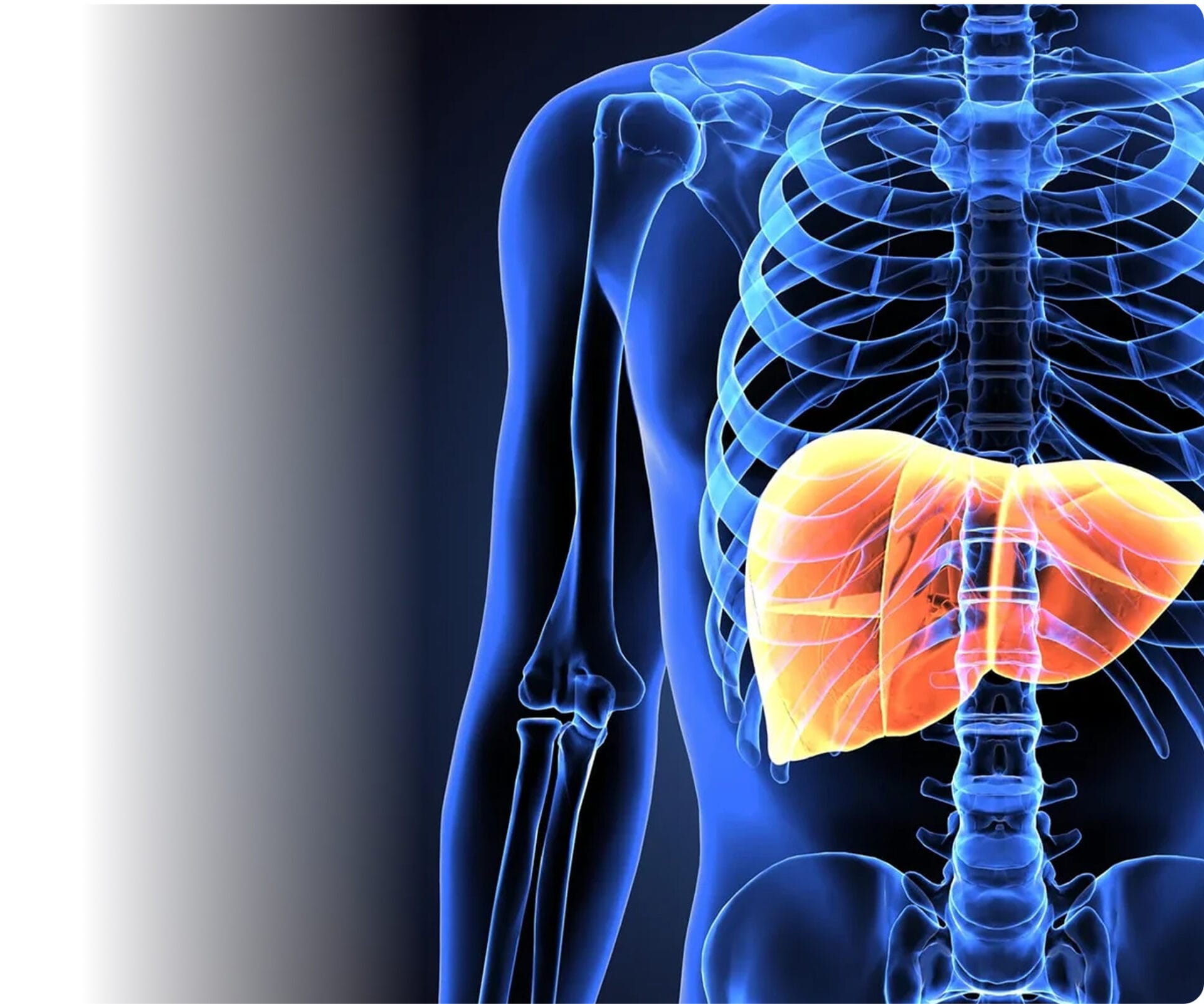
UME Health continually strives to provide the most advanced diagnostic solutions to improve patient outcomes. As part of our commitment to early detection and proactive management of liver disease, we are proud to introduce the FibroScan liver health assessment to our suite of services. Led by Professor Patrick Kennedy, a world-renowned hepatologist, this cutting-edge technology offers a paradigm shift in how we evaluate and monitor liver health.
Liver disease often progresses silently, with symptoms appearing only at advanced stages when interventions become more complex and less effective. In the UK, liver-related mortality has doubled over the last two decades, making it the only major cause of increased premature death¹. By integrating non-invasive, highly accurate assessments like FibroScan into routine practice, UME Health aims to detect early fibrosis and steatosis, enabling timely interventions that can halt or even reverse disease progression.
Professor Kennedy’s leadership in hepatology has long emphasised patient-centred care and minimally invasive diagnostics. Under his guidance, UME Health now offers FibroScan as an out-patient procedure that aligns with our ethos of comfort, convenience, and clinical excellence. This service not only reflects our dedication to innovation but also demonstrates our determination to empower patients through knowledge and personalised care pathways.
What is FibroScan?
FibroScan, also referred to as transient elastography, is a revolutionary ultrasound-based technique that quantifies liver stiffness and fat content in a single, painless scan. Unlike conventional imaging modalities, FibroScan employs a low-frequency vibration generated by a specialised probe that traverses the intercostal space to send shear waves through the liver. The speed at which these waves propagate correlates with tissue stiffness; higher velocities indicate greater fibrosis (scarring), while simultaneous measurements estimate hepatic steatosis (fat accumulation)².
The procedure typically takes 10–15 minutes. After a brief period of rest lying supine, the operator locates the optimal intercostal zone and applies a water-based gel. The probe then acquires ten valid measurements, each providing immediate data points that the device aggregates to produce a median liver stiffness measurement in kilopascals (kPa) and a controlled attenuation parameter (CAP) for fat quantification. These quantitative outputs enable clinicians to stratify disease severity, guide treatment choices, and track progression or regression over time³.
Because FibroScan does not require needles, anaesthetics, or sedation, it significantly reduces patient anxiety and eliminates the post-procedure monitoring needed for biopsies. Its rapid turnaround and reproducibility make it an ideal tool for both one-off assessments and longitudinal surveillance in chronic liver disease management.
Why Choose FibroScan Over Traditional Methods?
Non-invasive and Comfortable: Traditional percutaneous liver biopsy, while considered the gold standard for histological assessment, involves core sampling via needle puncture under local anaesthetic. It carries a small but real risk of complications such as bleeding (0.3–0.6%) and infection, and often necessitates 24–48 hours of observation⁴. By contrast, FibroScan is needle-free, painless, and demands no recovery time.
Rapid, Real-time Results: A FibroScan scan yields immediate, objective data that can be discussed with patients in the same consultation. This rapid feedback loop contrasts with biopsies, which require tissue processing and histopathological interpretation, often delaying results by several days.
Enhanced Safety Profile: With virtually no adverse events reported, FibroScan offers a safer alternative. The absence of puncture-related complications means it can be repeated frequently, facilitating close monitoring without cumulative risk⁵.
Cost-effective Longitudinal Monitoring: Frequent biopsies are neither practical nor cost-effective for serial assessments. FibroScan allows for regular monitoring every 6–12 months if indicated, enabling early detection of fibrosis progression or treatment response, which can ultimately reduce long-term healthcare expenditure and improve quality of life.
Comprehensive Disease Stratification: In addition to fibrosis staging, the CAP score provides insight into steatosis severity. This dual-capability supports the management of conditions like metabolic dysfunction-associated steatotic liver disease (MASLD) and NAFLD, where both fibrosis and fat quantification are crucial for therapeutic decision-making.
Who Should Consider a FibroScan?
- Chronic Liver Disease Patients: Individuals diagnosed with viral hepatitis B or C, autoimmune liver conditions, or metabolic-associated steatotic liver disease (MASLD/NASH) benefit from accurate fibrosis staging to tailor antiviral or anti-fibrotic therapies³.
- Metabolic Risk Groups: Patients with obesity (BMI ≥30), type 2 diabetes, dyslipidaemia, or metabolic syndrome are at heightened risk for NAFLD; early steatosis detection via FibroScan informs dietary, pharmacological, and lifestyle interventions⁶.
- Alcohol-Related Liver Injury: Those with a history of sustained high alcohol intake can have silent fibrosis; FibroScan identifies early liver damage before overt clinical symptoms manifest⁷.
- Monitoring Post-Treatment Response: Patients undergoing antiviral therapy for hepatitis or lifestyle interventions for MASLD require periodic assessment to confirm fibrosis regression or stability.
- Proactive Health Screening: Even asymptomatic individuals with a family history of liver disease or elevated liver enzymes on blood tests can undergo FibroScan for peace of mind and early detection⁸.
The Patient Experience at UME Health
At UME Health’s Harley Street centre, the FibroScan experience begins with a comprehensive consultation. Our specialist nursing team conducts a targeted history, reviewing risk factors and previous investigations. Once suitability is confirmed, patients are guided to our purpose-built imaging suite, where ambient lighting and comfortable couches create a relaxed environment.
Professor Patrick Kennedy or one of our accredited hepatology practitioners performs the scan. The patient lies supine with the right arm elevated, allowing optimal intercostal access. A small probe contacts the skin with gel, and patients feel only mild pressure no discomfort or pain is associated with the vibrating pulses. After ten valid readings, the device displays liver stiffness and CAP scores, which the clinician interprets on the spot.
Within minutes, patients receive a personalised report outlining their fibrosis stage (F0-F4) and steatosis grade (S0-S3), accompanied by graphical representations. Professor Kennedy then discusses the results, contextualising them within each patient’s broader health profile. This immediate, face-to-face debrief fosters trust, ensures understanding, and enables collaborative development of next steps, whether that is lifestyle modification, pharmacotherapy, or specialist referral.
Benefits of Regular Liver Health Assessments
Early Intervention: Detecting fibrosis at F1–F2 stages affords opportunities for reversible interventions, significantly reducing progression to cirrhosis (F4) and its associated complications⁴.
Personalised Treatment: Quantitative data empowers clinicians to tailor antiviral regimens, antifibrotic therapies, and lifestyle strategies based on objective liver stiffness and fat content measurements⁹.
Progress Monitoring: Serial FibroScans chart disease regression following successful treatment or identify early signs of relapse, guiding timely adjustments in care.
Patient Empowerment: Seeing tangible improvements in stiffness and steatosis motivates adherence to diet, exercise, and medication regimens, translating abstract advice into measurable goals⁶.
Reduced Healthcare Burden: Minimising invasive biopsies lowers hospital admissions, pathology costs, and patient downtime, making routine liver surveillance both sustainable and scalable.
Meet Professor Patrick Kennedy
Professor Patrick Kennedy is an eminent hepatologist with over two decades of clinical and research experience. Educated at University College Dublin, he completed his consultant training at Barts and The London School of Medicine, where he later held a senior lecturership. His pioneering work in transient elastography, liver transplantation outcomes, and viral hepatitis management has featured in leading journals including The Lancet and _Journal of Hepatology_¹⁰.
At UME Health, Professor Kennedy leads a multidisciplinary team dedicated to advancing liver diagnostics and therapeutics. His patient-centred philosophy emphasises clear communication, shared decision-making, and continuous education, ensuring that each individual receives care calibrated to their unique needs.
FibroScan transforms liver health assessment by offering a rapid, non-invasive, and reliable alternative to biopsy. With immediate results, minimal risk, and comprehensive data on fibrosis and steatosis, it empowers both patients and clinicians to act decisively.
Discover how FibroScan can safeguard your liver health. To book an appointment, visit our FibroScan liver health assessment page or contact the UME Health team today.
Frequently Asked Questions
- What is FibroScan and how does it work at UME Health?
FibroScan is a non-invasive ultrasound-based test that measures liver stiffness (fibrosis) and fat content (steatosis) in a single scan. At our Harley Street centre, we use the latest FibroScan 502 Touch device. A small probe sends gentle vibrations through the liver; the speed of the returning shear waves is translated into a stiffness score (kPa) and a controlled attenuation parameter (CAP) for fat quantification. - Why should I choose UME Health’s Harley Street clinic for FibroScan?
Our central London location combines easy access with a calm, purpose-built imaging suite. You’ll be cared for by Professor Patrick Kennedy or one of our accredited hepatology practitioners, ensuring the highest clinical expertise alongside a comfortable patient experience. - Who can book a FibroScan at UME Health?
We welcome:
- Patients with chronic liver conditions (viral hepatitis B/C, autoimmune liver disease, MASLD/NASH)
- Those with metabolic risk factors (obesity, type 2 diabetes, metabolic syndrome)
- Individuals with a history of heavy alcohol use
- Anyone with unexplained liver enzyme elevations or a family history of liver disease
- How long does the FibroScan appointment take?
Your visit typically lasts 30–45 minutes, including a brief consultation, the 10–15-minute scan itself, and an immediate results review with your clinician. There’s no downtime afterwards, you can return to your normal activities straight away. - Is FibroScan painful or risky?
No. FibroScan is needle-free and painless. There is no risk of bleeding or infection, and no need for anaesthetic or sedation. It is one of the safest ways to assess liver health, suitable for repeat monitoring every 6–12 months if needed. - How do I prepare for my FibroScan at UME Health?
Please fast (no food or drink, except water) for at least three hours before your appointment. Wear loose-fitting clothing so our team can access the right intercostal spaces on your right side. There’s no need to change into a gown unless you prefer to. - Will I receive a report and follow-up?
Yes. You’ll get a personalised report on-site, showing your fibrosis stage (F0–F4) and steatosis grade (S0–S3) with graphical illustrations. Your clinician will discuss the findings immediately and recommend next steps whether that’s lifestyle advice, further tests, or referral to a specialist. - Do I need a referral from my GP?
No GP referral is required, simply contact our London reception to book. We can also liaise with your GP to send a full copy of the report and any recommended management plan. - Is FibroScan covered by private health insurers?
Most UK private health insurers recognise FibroScan as a standard diagnostic test for liver disease. We recommend checking your policy for “transient elastography” or “FibroScan” coverage and pre-authorisation requirements.
References
- Office for Health Improvement and Disparities. Liver disease profiles and mortality trends in England. Jan 2025
- Myers RP, Leung V, Tiruta C, Denzer U, Minuk G. Non-invasive Monitors of Liver Fibrosis. Journal of Hepatology, 2019.
- European Association for the Study of the Liver (EASL). Clinical Practice Guidelines on Non-Invasive Tests for Evaluation of Liver Disease Severity. 2021
- Rockey DC, Caldwell SH, Goodman ZD, Nelson RC, Smith AD. Liver Biopsy. Hepatology, 2009;49(3):1017–1044. Available at: https://aasldpubs.onlinelibrary.wiley.com/doi/full/10.1002/hep.22742.
- Wong VW, Adams LA, de Lédinghen V, Wong GL, Sookoian S. Noninvasive biomarkers in NAFLD and NASH. Gut, 2018;67(5):993–1002. Available at: https://gut.bmj.com/content/67/5/993.
- Younossi ZM, Koenig AB, Abdelatif D, Fazel Y, Henry L, Wymer M. Global epidemiology of nonalcoholic fatty liver disease — meta-analytic assessment of prevalence, incidence, and outcomes. Hepatology. 2016;64(1):73–84. Available at: https://aasldpubs.onlinelibrary.wiley.com/doi/full/10.1002/hep.28431.
- Singal AK, Bataller R, Ahn J, Kamath PS, Shah VH. ACG Clinical Guideline: Alcoholic Liver Disease. American Journal of Gastroenterology, 2018;113(2):175–194. Available at: https://journals.lww.com/ajg/Fulltext/2018/02000/ACG_Clinical_Guideline__Alcoholic_Liver_Disease.1.aspx.
- Younossi Z, Stepanova M, Ong J, Jacobson IM, Bugianesi E, Duseja A. Nonalcoholic Steatohepatitis is the Fastest Growing Cause of Hepatocellular Carcinoma in Liver Transplant Candidates. Gastroenterology, 2018;155(2):389–397
- Castera L, Friedrich-Rust M, Loomba R. Noninvasive Assessment of Liver Disease in Patients With Nonalcoholic Fatty Liver Disease. Gastroenterology, 2019;156(5):1264–1281. Available at: https://www.gastrojournal.org/article/S0016-5085(19)38068-0/fulltext.
Patient Friendly MRI Scan at UME Health
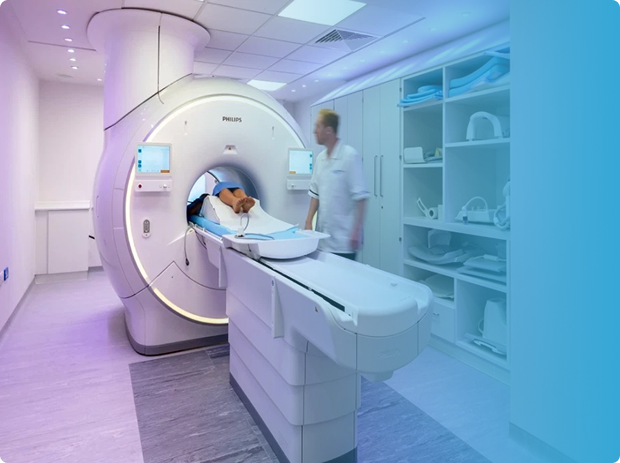
Our open MRI machine provides a more spacious and less enclosed environment, which can ease any feelings of anxiety or discomfort during the scan. We also allow a friend or family member to sit in the room with you during the scan, if that would make you more comfortable.
UME Health is a leading outpatient and diagnostics centre located on Harley Street, offering high-quality imaging services and compassionate patient care.